Research Topics

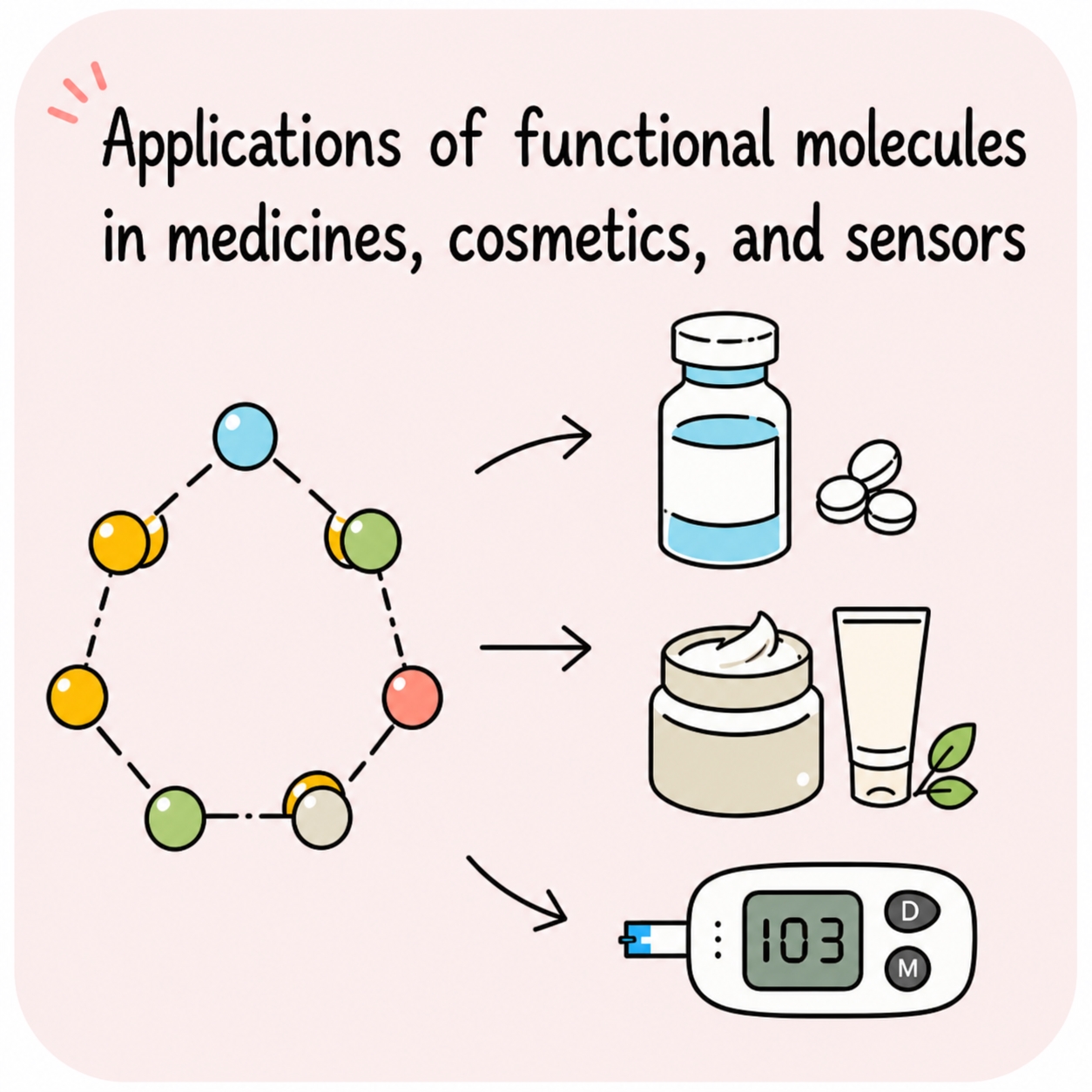
Our laboratory develops functional molecules for applications in medicines, cosmetics, and chemical sensors. We focus on the unique properties of boron-containing molecules and the molecular recognition ability of cyclic oligosaccharides. This page introduces our main research topics.

1 Development of blood glucose-responsive insulin formulations

Insulin is widely used as a diabetes medication that lowers blood glucose levels. However, if the dose or timing of injection is not appropriate, blood glucose levels may decrease too much, leading to hypoglycemia. To reduce this risk, our laboratory is developing a new type of insulin formulation that responds to changes in blood glucose levels and releases insulin when needed. This is one of the research achievements we are especially proud of. The work was published in Chemical Science, a flagship journal of the UK-based Royal Society of Chemistry, and was also featured in a Japanese weekly magazine.
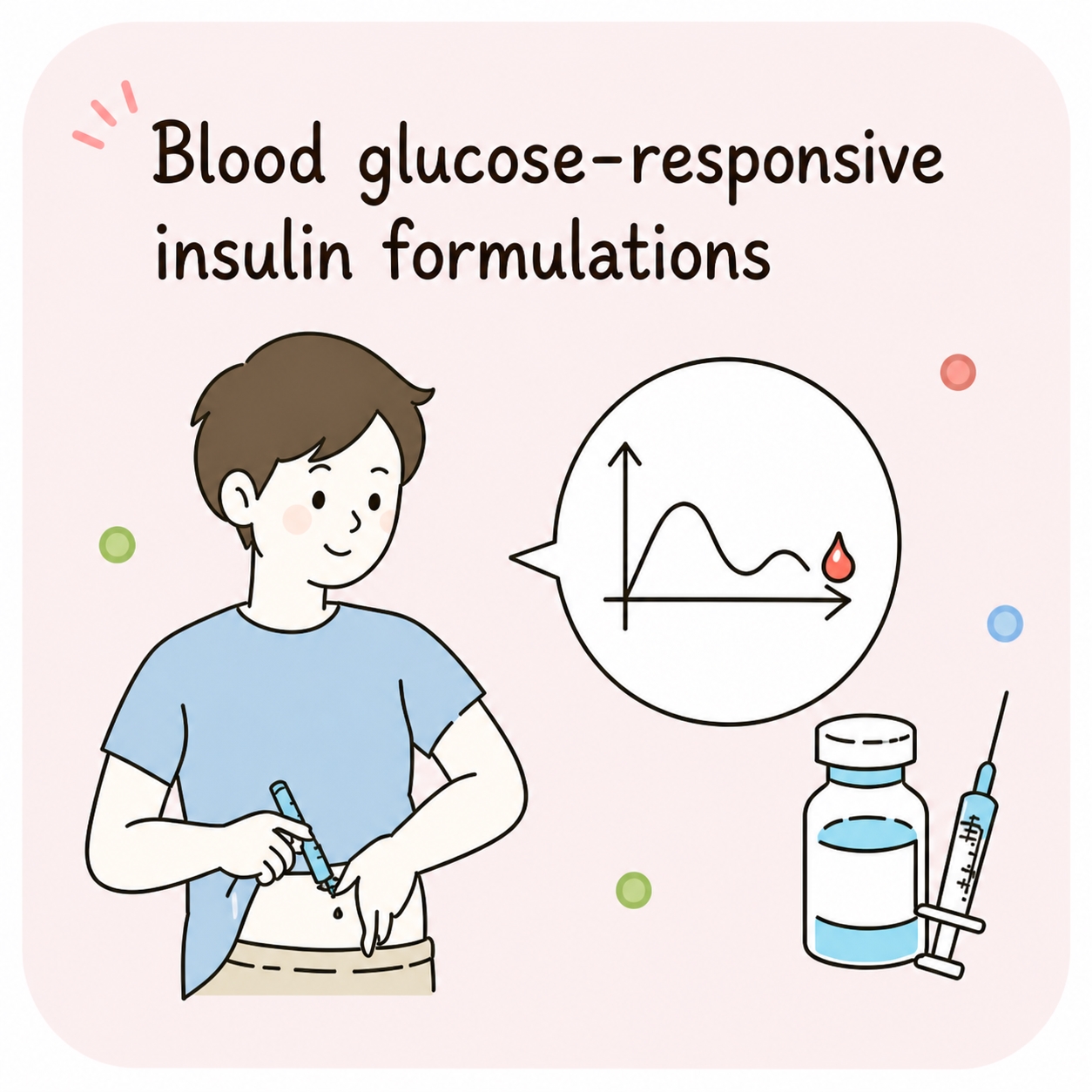
Image of a blood glucose-responsive insulin formulation
Related Publication
Satoshi Kitaoka, Minori Kojima, Miho Koita, Hiroki Koyama, Chisato Mori, Mako Okabe, Ryusei Ando, Kaede Kobayashi, Ryo Watanabe, Yuki Takano, Tony D. James, Yuya Egawa, Fully dissolved glucose-responsive insulin delivery system based on a self-immolative insulin prodrug and glucose oxidase, Chemical Science, 16, 16645-16658 (2025). DOI
2 Search for compounds that suppress melanin production

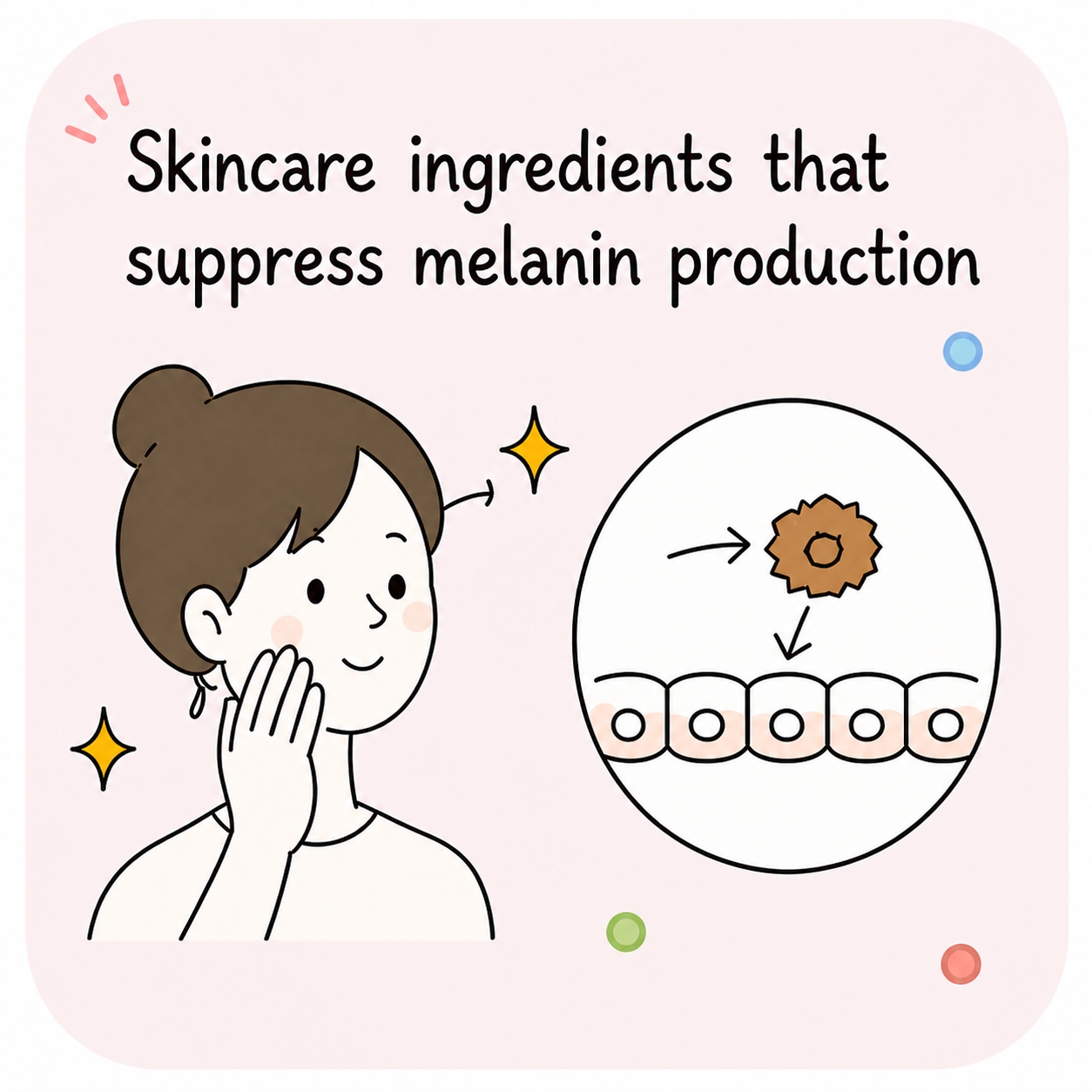
Our laboratory studies boronic acids, a class of boron-containing compounds. One interesting property of boronic acids is that they can bind to certain chemical structures, especially structures with two neighboring OH groups. Similar structures are found among intermediates in the melanin production pathway. When boronic acids bind to these intermediates, the following steps of melanin production may be suppressed. We are currently searching for boronic acids that strongly suppress melanin production.

Image of substances that suppress melanin production

3 Development of boron-based chemical sensors

Boronic acids, which contain boron (B), can bind to sugars that have many OH groups. Using this property, we can design molecules whose color or fluorescence changes in the presence of sugars. These molecules are called sugar chemosensors and may be useful for technologies that measure blood glucose levels. Our research team has reported azo dyes whose color changes dramatically in response to sugars. We have also developed JoSai-Red, an innovative xanthene-based fluorescent dye with boron (B) incorporated into the rhodamine framework. JoSai-Red changes its fluorescence in response to sugars.

Image of a boron-based chemical sensor
Related Publications
Yuta Komori, Shun Sugimoto, Toranosuke Sato, Honoka Okawara, Ryo Watanabe, Yuki Takano, Satoshi Kitaoka, Yuya Egawa, A new boron-rhodamine-containing carboxylic acid as a sugar chemosensor, Sensors, 23(3), 1528 (2023). DOI

Naoki Shimomura, Yuya Egawa, Ryotaro Miki, Takashi Fujihara, Yoshihiro Ishimaru, Toshinobu Seki, A red fluorophore comprising of a borinate-containing xanthene analogue as a polyol sensor, Organic & Biomolecular Chemistry, 14, 10031-10036 (2016). DOI

Yuya Egawa, Ryotaro Miki, Toshinobu Seki, Colorimetric Sugar Sensing Using Boronic Acid-Substituted Azobenzenes, Materials, 7, 1201-1220 (2014). DOI

Yuya Egawa, Toshinobu Seki, Shigehiro Takahashi, Jun-ichi Anzai, Electrochemical and optical sugar sensors based on phenylboronic acid and its derivatives, Materials Science and Engineering C, 31, 1257-1264 (2011). DOI

4 Development of “smart anticancer drugs” activated in cancer cells

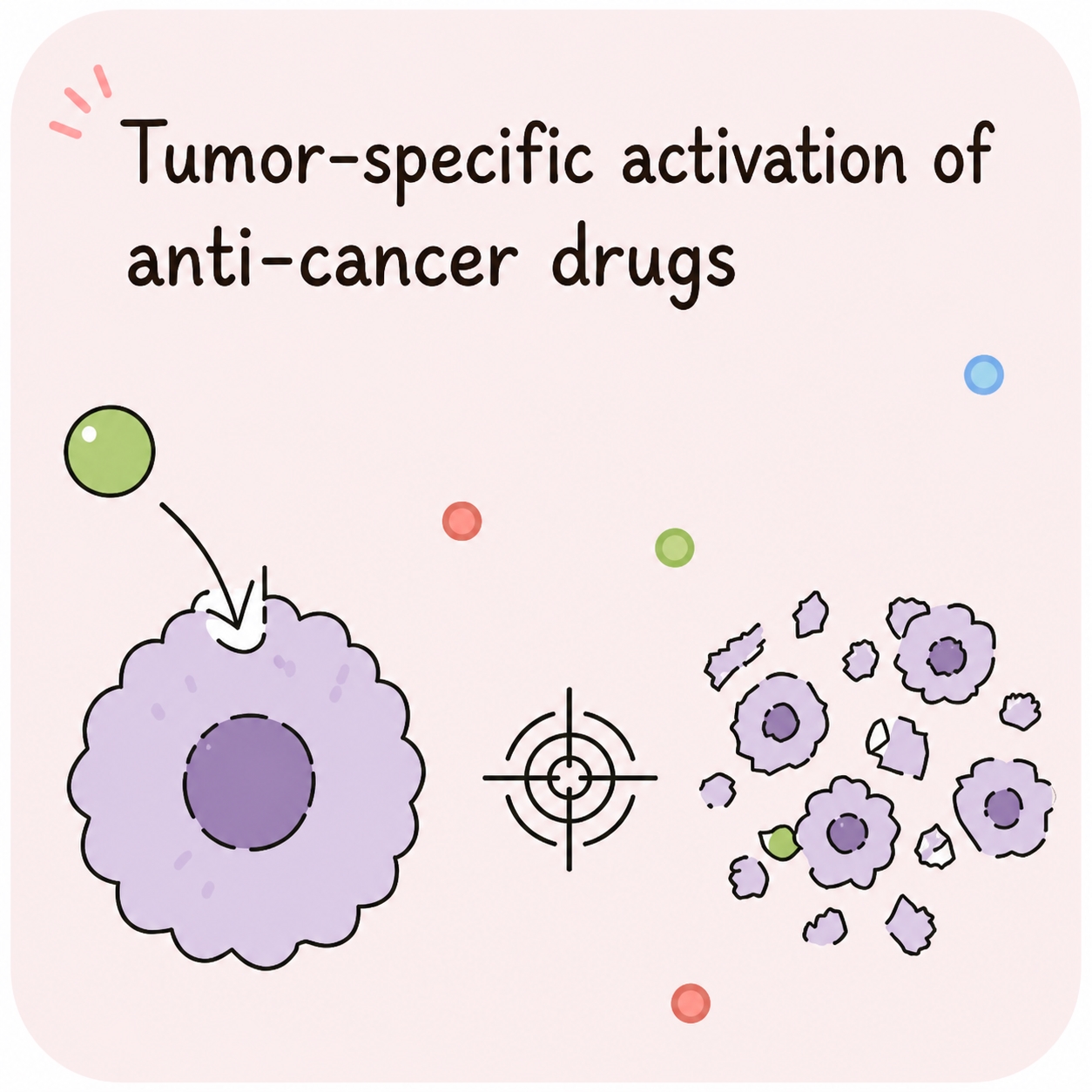
Anticancer drugs attack cancer cells, but they may also damage normal cells. If a drug could be switched on only inside cancer cells, it may lead to a new treatment strategy with fewer side effects.

Our laboratory uses boron-containing molecules to temporarily mask the activity of anticancer drugs, placing them in a “sleeping” state. We are developing a system in which hydrogen peroxide, which is often present at higher levels in cancer cells, acts as a signal to remove the mask and activate the drug.

We are now designing new molecular switches with clearer on/off behavior. Our goal is to develop smart anticancer drugs that work selectively in cancer cells.

Image of a smart anticancer drug

5 Sugar-responsive necklace-like molecular machines

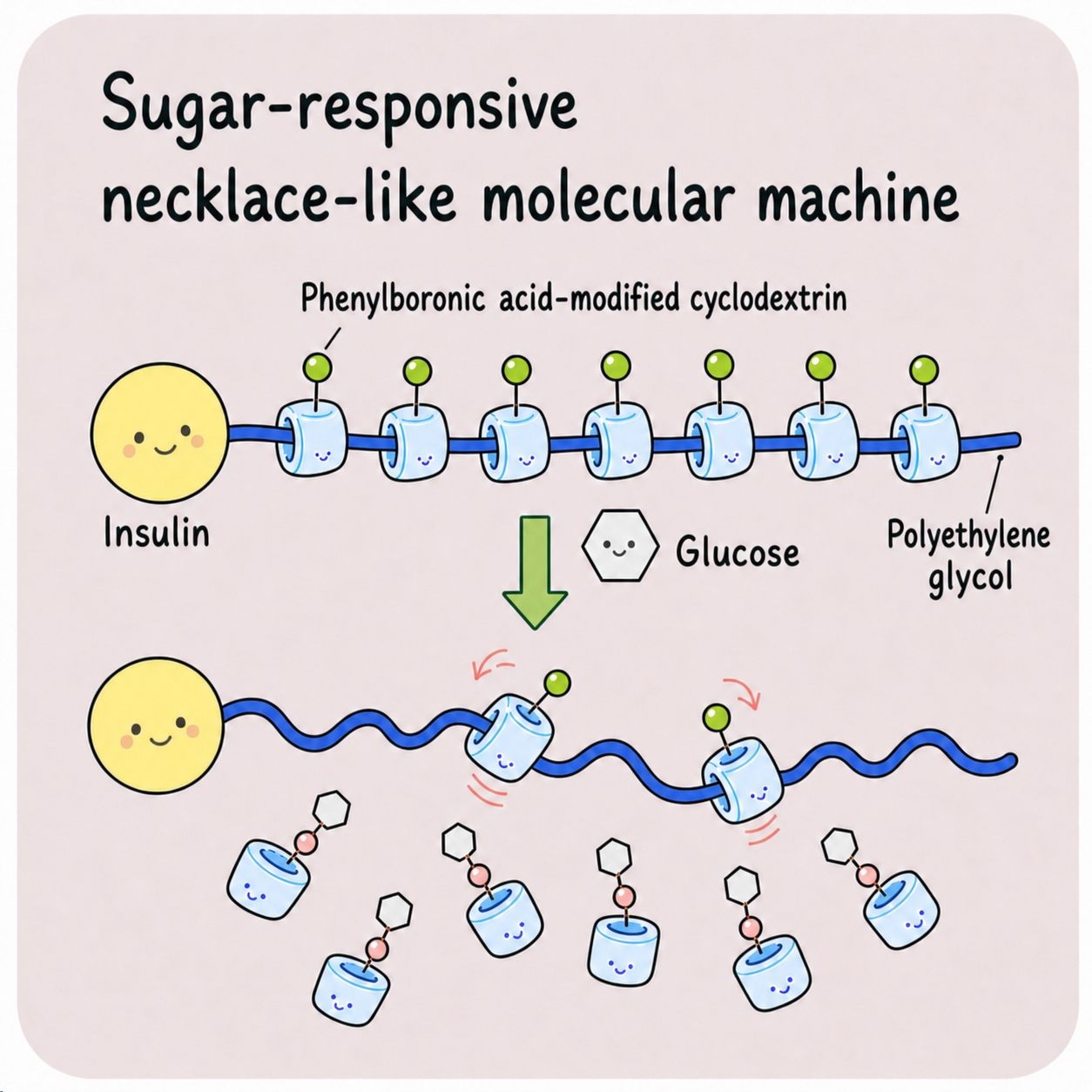
Cyclodextrins are ring-shaped molecules made from glucose units. They have small inner cavities that can include drug molecules and other compounds. Because of this property, cyclodextrins are used in pharmaceutical and food applications. When a string-like molecule passes through these cavities, it can form a “molecular necklace,” similar to beads threaded onto a string.

Our laboratory has combined these molecular necklaces with phenylboronic acid, which recognizes sugars. We have developed a necklace-like molecular machine that can sense sugar and come apart in response. This system may be useful as a new drug delivery material that releases drugs according to blood glucose levels.

Image of a sugar-responsive necklace-like molecular machine
Related Publication
Yuya Egawa, Tomohiro Seki, Ryotaro Miki, Toshinobu Seki, Sugar-responsive smart materials based on phenylboronic acid and cyclodextrin, J. Incl. Phenom. Macrocycl. Chem., 94, 1-10 (2019). DOI